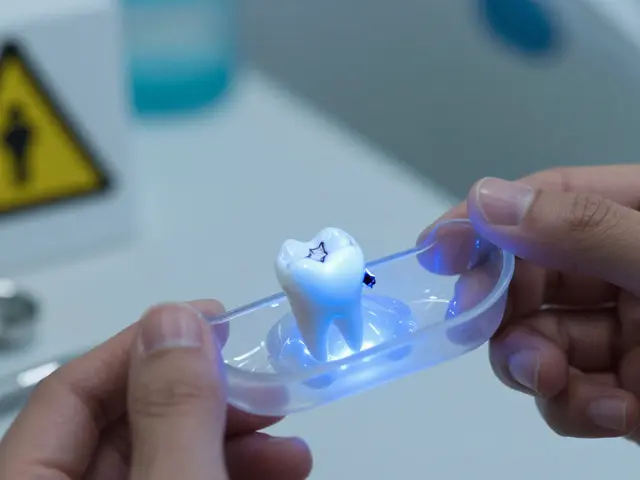
Napravení zubů: Jak se dostat od křivých zubů k úsměvu, který vás bude chválit
When you think about napravení zubů, proces, kterým se zubní pozice upravují pro lepší funkci a vzhled. Also known as ortodontie, it is not just about straightening teeth for a better smile — it’s about fixing how you bite, chew, and even breathe. Many people assume it’s only for teenagers, but adults make up nearly half of all patients today. Whether it’s crowded teeth, overbite, or gaps that make you self-conscious, napravení zubů can change more than your appearance — it can change how you live.
It’s not magic. It’s science. rovnátka, zařízení používaná k postupnému přesunu zubů do správné polohy. Also known as zubní brána, it includes traditional metal braces, clear ceramic aligners, and even lingual systems hidden behind teeth. Each type works differently, and none of them are one-size-fits-all. Some people need them for just a year; others wear them for three. The key isn’t which one looks best — it’s which one works for your mouth, your lifestyle, and your budget. And no, you don’t need perfect teeth to start. Even severe cases can be corrected today with modern techniques.
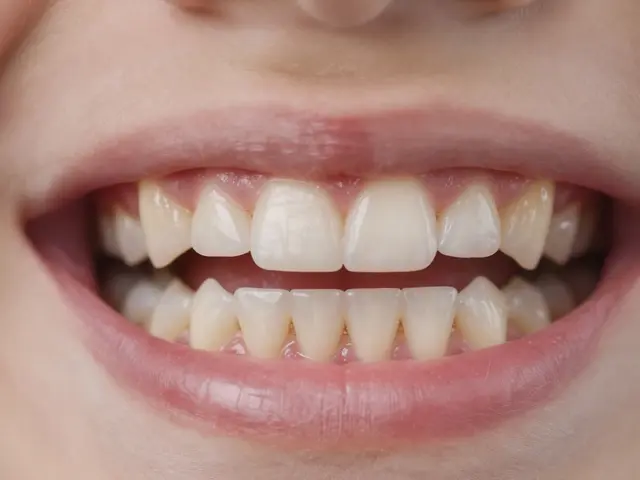
What most people don’t realize is that crooked teeth aren’t just an aesthetic issue. They can lead to uneven wear, jaw pain, difficulty cleaning, and even gum disease. When teeth are misaligned, plaque builds up in hard-to-reach spots. That’s why křivé zuby, zuby, které nejsou v pravé pozici a mohou způsobovat funkční i estetické problémy often go hand in hand with bleeding gums and bad breath. Correcting them isn’t vanity — it’s prevention. And the best time to fix them? It’s never too late. Many adults who waited until their 30s or 40s say they wish they’d done it sooner.
Co vás čeká při napravení zubů?
You won’t get perfect teeth overnight. The process takes months, sometimes years. First, you’ll have a detailed scan or mold of your mouth. Then your orthodontist will map out a plan — how much to move each tooth, how long it will take, and what tools to use. You’ll get regular check-ups every 4–8 weeks. You might feel pressure or soreness after adjustments, but it’s temporary. The real challenge? Staying consistent. Brushing, flossing, and avoiding sticky foods aren’t optional — they’re part of the treatment. Skip them, and you risk damage, delays, or even permanent stains.
And yes, there are alternatives. If you don’t want braces, clear aligners like Invisalign offer a nearly invisible option. But they’re not for everyone. Severe misalignments still need traditional braces. And no, DIY kits from the internet won’t cut it. They can cause irreversible damage. Real orthodontics requires professional planning, not a box shipped to your door.
Below, you’ll find real stories and practical advice from people who’ve been through it — whether they chose ceramic braces, clear aligners, or even surgery. You’ll learn how to avoid common mistakes, what to expect during treatment, and how to keep your teeth healthy once the braces come off. No fluff. No marketing. Just what actually works.
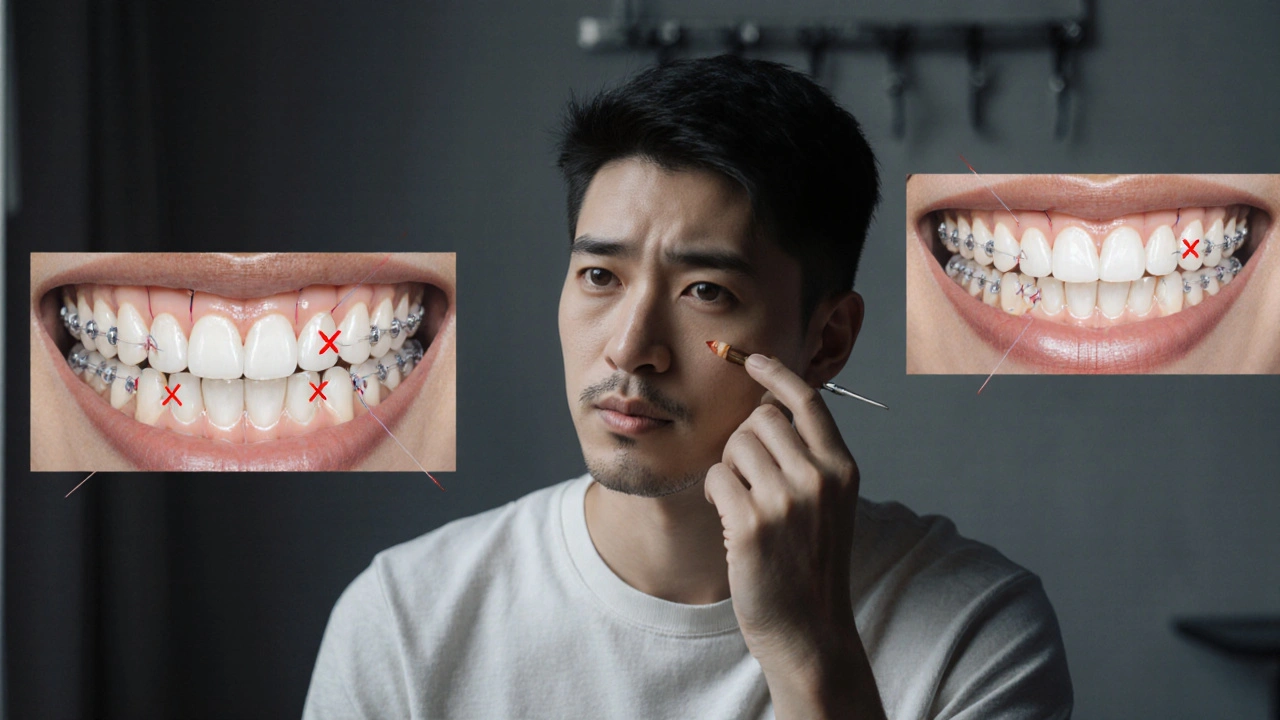
Křivé zuby: jak je napravit pomocí akupunktury - skutečné možnosti a vědecké důkazy
Akupunktura nemůže napravit křivé zuby. Zuby se posouvají pouze mechanickým tlakem ortodontických zařízení. Zjistěte, co opravdu funguje a proč jsou alternativy nebezpečné.
Číst vícePoslední novinky