Otevřený zub: Co to znamená, jak se to projevuje a co s tím dělat
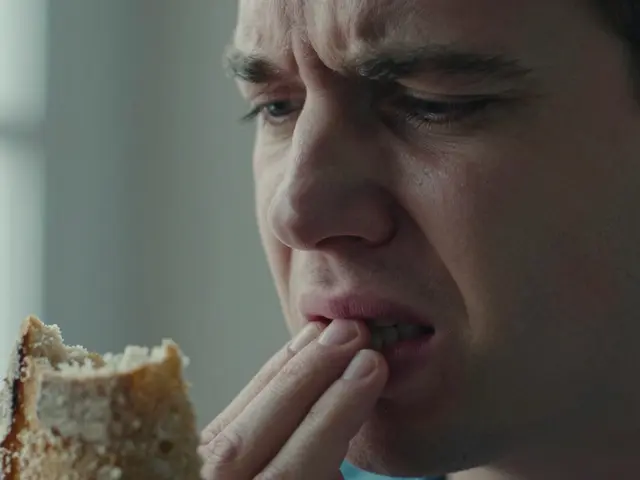
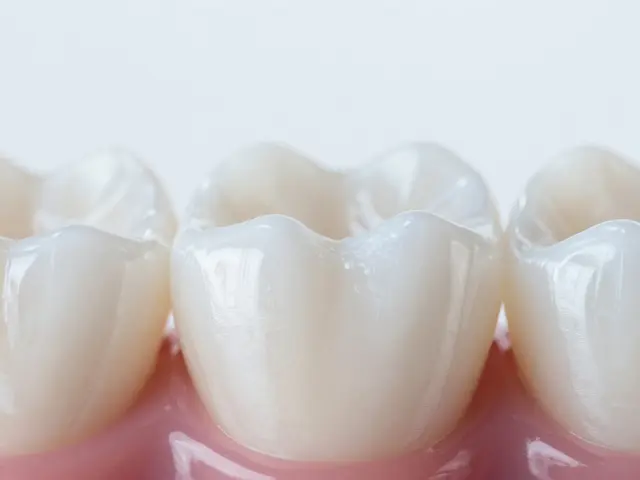
When you feel a hole in your tooth, it’s not just a cavity—it’s a otevřený zub, stav, kdy je zubní sklovinu poškozena až do hlbokých vrstev, často s viditelnou dírou nebo černou skvrnou. Also known as zubní kaz v pokročilé fázi, it is a warning sign that your tooth’s defense has failed and bacteria are eating away at the inner structure. This isn’t something you can brush off. If left untreated, an open tooth can lead to severe pain, abscesses, or even tooth loss.
An otevřený zub rarely appears overnight. It usually starts as a tiny spot of decay, often hidden between teeth or near the gumline, where plaque builds up because of poor hygiene. Over time, acid from bacteria dissolves the enamel, then the dentin, until the tooth collapses inward. You might not feel it at first—many people only notice it when they bite into something cold or sweet, or when food gets stuck in the hole. It’s not just about discomfort; it’s about infection. The open space becomes a breeding ground for bacteria that can spread to the root, triggering inflammation, swelling, or pus. This is where zubní kámen, tvrdý nános bakterií, který ztuhne na zubech a způsobuje zánět dásní comes into play—it traps even more bacteria right next to the open area, making healing impossible without professional cleaning.
What’s often ignored is how zubní hygiena, pravidelné čištění, používání zubní nitě a správná technika čištění directly prevents an open tooth. Most cases stem from skipping flossing, using a worn-out brush, or delaying checkups for years. But it’s not just about brushing harder—it’s about being consistent. Even a small crack or worn filling can become an entry point. And if you’ve had a filling replaced before, that’s a red flag: the area is already vulnerable. The good news? You don’t need expensive treatments right away. Early detection means a simple filling can fix it. Later stages might need an onlay, vložka, která obnovuje zubní strukturu po větším poškození, ale zachovává více přirozeného zubu než korunka or even a crown. But if you wait too long, you’re looking at root canals, extractions, or implants.
You won’t fix an open tooth with whitening paste or mouthwash. No home remedy seals the hole. The only solution is seeing a dentist who can clean out the decay, assess how deep it went, and choose the right restoration. Ignoring it doesn’t make it disappear—it makes it worse. And the longer you wait, the more expensive and invasive the fix becomes.
In the articles below, you’ll find real-life insights on how to spot early signs of decay, what treatments actually work for damaged teeth, how to prevent further damage after a filling, and why your daily habits matter more than you think. No fluff. Just what you need to know to protect your teeth before they turn into an emergency.
Jak dlouho nechat otevřený zub po extrakci - bezpečné lhůty a co dělat, když se zatím nezahojí
Po extrakci zubu se rána nezahojí okamžitě. Zjistěte, jak dlouho můžete nechat otevřený zub bez rizika sušivky, co dělat, když se nezahojí, a jak předcházet infekci.
Číst vícePoslední novinky