Zavedení implantátu: Co vás čeká a jak se připravit
When you lose a tooth, your body doesn’t just lose a chewing tool—it loses support for the jawbone. zavedení implantátu, stomatologický postup, při němž se do čelisti umístí titanový šroub, který nahrazuje kořen zubu. Also known as implantace zubu, it doesn’t just fill a gap—it stops bone loss, keeps neighboring teeth from shifting, and restores your ability to eat without discomfort. This isn’t cosmetic. It’s structural. And if you’ve been avoiding it because you think it’s painful or risky, you’re not alone—but the data says otherwise.
Most people worry about the surgery, but the real challenge comes before it: zubní kost, kost, která podporuje zuby a může se ztenčit po ztrátě zubu. If you’ve been missing a tooth for more than a year, your jawbone may have shrunk. That doesn’t mean you can’t get an implant—it just means you might need a bone graft first. Many think this adds cost and time, but it’s often the difference between a stable implant and a failed one. And if your gums are inflamed? That’s not just a nuisance—it’s a red flag. ztráta zubu, většinou způsobená zánětem dásní nebo zubním kamenem is the leading cause of tooth loss, and if the same problem isn’t fixed before implantation, the implant can fail too.
What happens during the procedure? It’s not what you see in movies. No screaming. No long hospital stays. Most implant placements take under an hour under local anesthesia. You’ll feel pressure, but not pain. The dentist drills a tiny hole, inserts the titanium screw, and closes the gum. Then you wait—usually 3 to 6 months—for the bone to fuse with the implant. That’s called osseointegration. It’s slow, but it’s what makes the implant last decades. During that time, you might wear a temporary denture or bridge. Don’t skip follow-ups. Checkups aren’t just formalities—they’re your insurance policy against infection or misalignment.
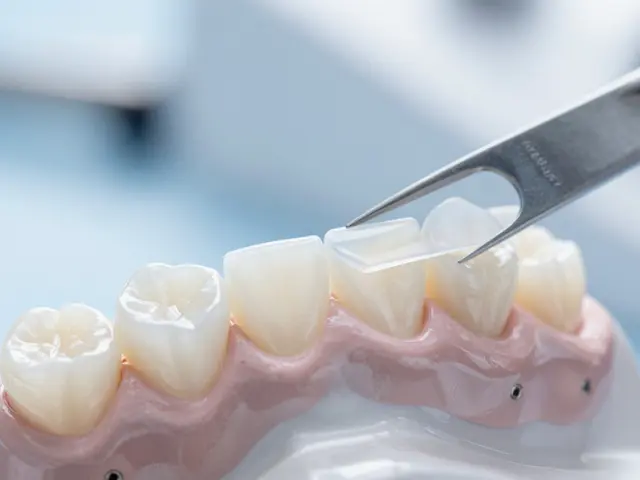
After the implant heals, the crown goes on. It’s custom-made to match your other teeth. No one will know it’s not real. But here’s the catch: implants don’t get cavities, but they can get peri-implantitis—a gum infection around the implant. That’s why daily brushing, flossing, and professional cleanings are non-negotiable. You can’t treat an implant like a fake. You have to care for it like your own tooth.
You’ll find posts here that cover everything from how to prepare your mouth before surgery to what to eat after the procedure. There are guides on choosing the right dentist, how to spot early signs of implant failure, and why some people need a sinus lift while others don’t. You’ll also learn why skipping a tooth replacement leads to problems far beyond aesthetics—like jaw pain, chewing difficulties, and even changes in your face shape over time.
This isn’t about being perfect. It’s about being informed. If you’ve been putting off zavedení implantátu because you’re scared, confused, or just don’t know where to start—this collection is your first step. No fluff. No sales pitches. Just what you need to know before you walk into that clinic.
Jak dlouho trvá zavedení zubních implantátů - od první návštěvy po finální korunku
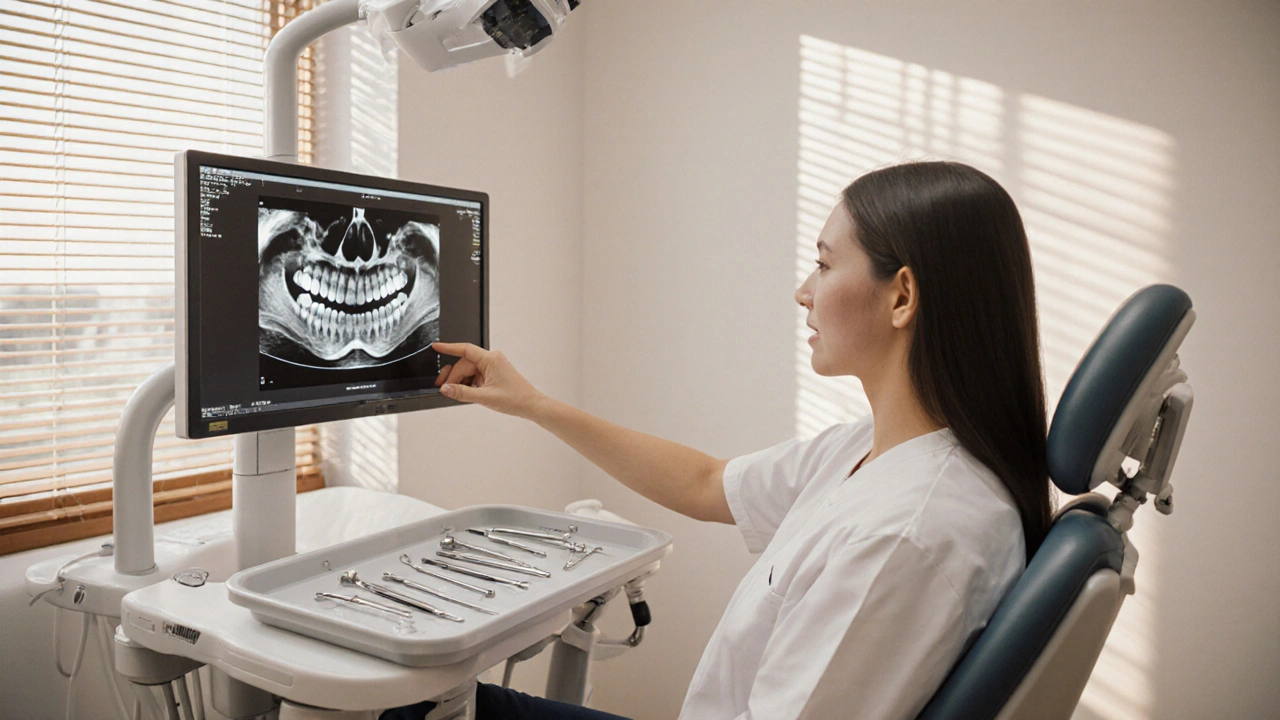
Zavedení zubního implantátu trvá obvykle 4-8 měsíců. Proces zahrnuje vyšetření, vložení, hojení kosti a připevnění korunky. Každý krok je důležitý pro trvalý výsledek.
Číst vícePoslední novinky